One of the lesser-known gems of the Valencian Community is the Monastery of Santa María de la Valldigna, which is located less than half an hour’s drive from Gandia. It is a must-visit for anyone in the town who wishes to gain a deeper insight into the history of these lands and the cultural heritage of this region.
Contents
History
The history of this ecclesiastical building dates back to the end of the 13th century, specifically 1298. The King of the Crown of Aragon, Jaume II, was so impressed by the fertility and beauty of the Simat de la Valldigna valley that he ordered a monastery to be built in this location. Furthermore, another decisive reason for constructing this Cistercian building was the large Muslim population living nearby.
Architecture
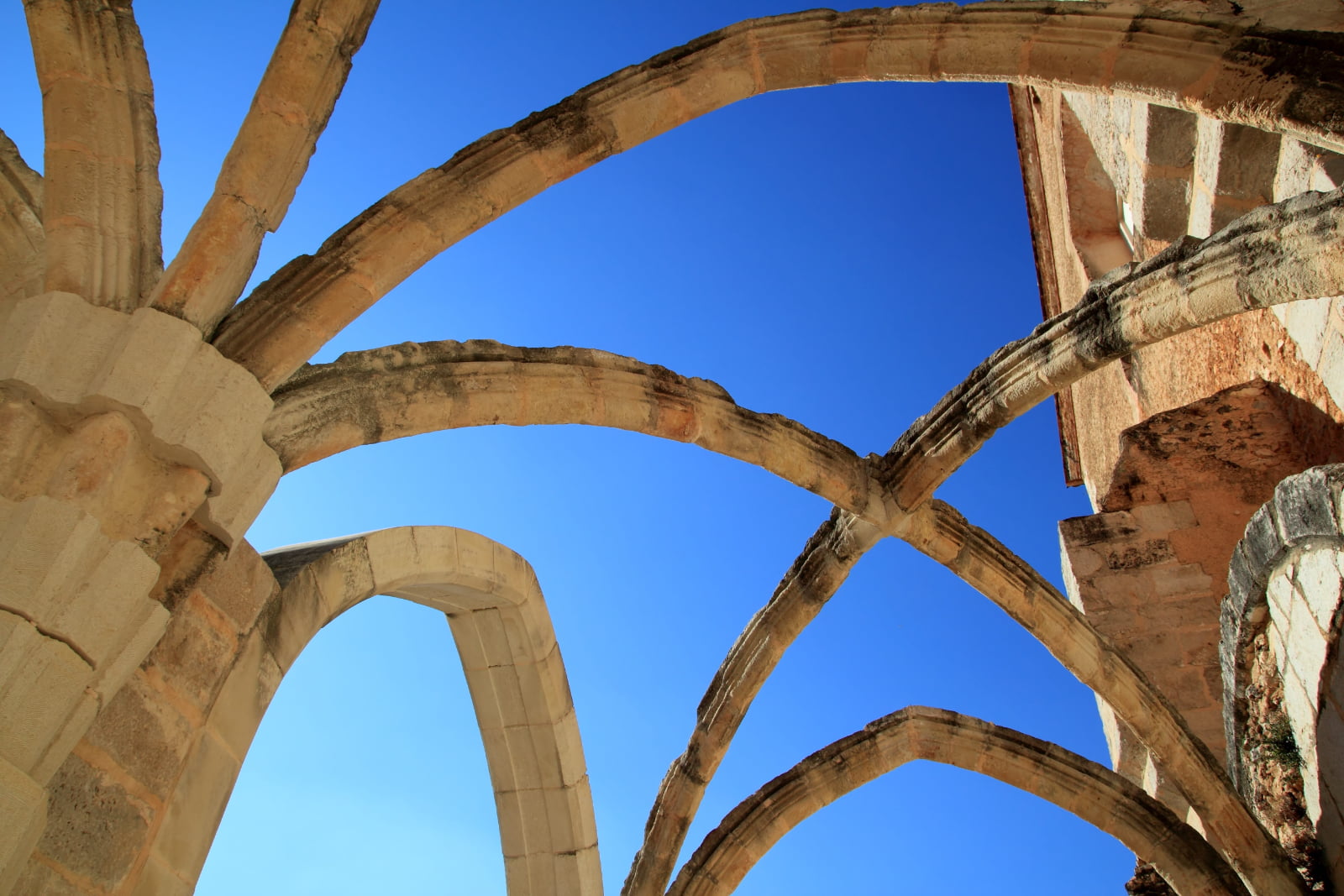
As for the architecture of the building, it has had to be rebuilt on two occasions due to two earthquakes. However, the ‘Reial Monestir’ did not lose its splendour through these natural disasters, but rather as a result of the plundering of the clerical sector in the 19th century, along with the abandonment of the sacred building in the following years. It was not until 1984, despite having been declared a Historic-Artistic Monument in 1970, that the Generalitat Valenciana began the first studies of the building in order to restore value to the monastery and bring its former glory to light.
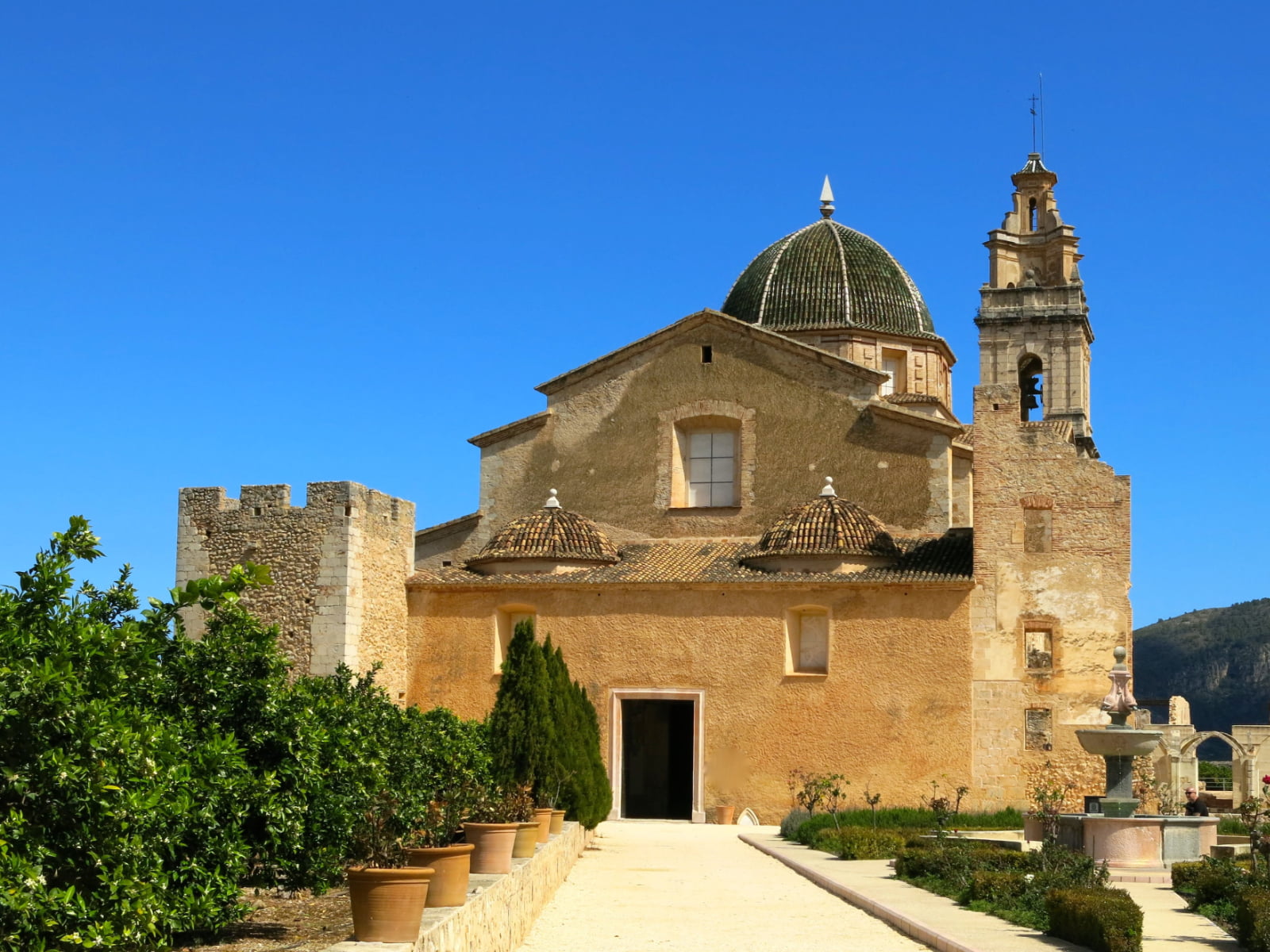
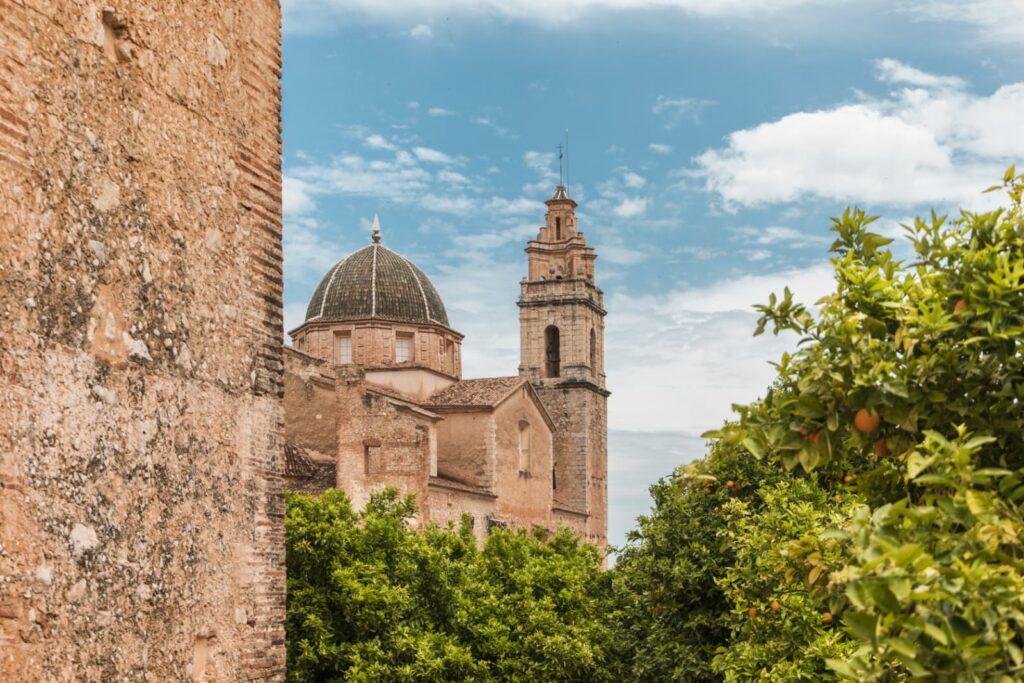
This Christian complex consists of several sites. One of these is the Triton Fountain, built in the 18th century, which takes its name from the sea monsters and dolphins depicted on it. The original Church of Santa María de la Valldigna dates back to the 14th century, but the structure that can be seen today is from the 17th century. It is the best-preserved building in the entire precinct. The oldest construction is the Abbot’s Palace, which stands further away from the other quarters as the connecting remains with the other areas collapsed.
Other landmark spots are the Cloister of Silence and the parlour, both built between the 14th and 15th centuries. These were passageways and meeting places for the monks who resided there. In contrast, the Chapter House, built between the 15th and 16th centuries, was used to read the chapters of the order. The refectory, where the monks ate, was also built in the 15th century.
In addition to everything mentioned above, there are two ways to enter this ecclesiastical space: the main entrance is called the Portal Nuevo and leads directly to the most important areas, while the other, called the Puerta de la Xara, connected with the Muslim farmstead of Xara, which originally featured a moat and drawbridge as a defensive measure.
On the other hand, excavations carried out in the western area of the monastery have uncovered several 18th-century rooms and structures where the monks likely resided at that time. Furthermore, the stables have been fitted out as an archaeological storehouse and laboratory to restore all artefacts found on the premises.
Visits
Although general admission is usually free and open, booking in advance is required to join a guided tour of the Reial Monestir de Santa María de la Valldigna. On its website, you can check visiting hours, as well as a contact telephone number and email address to get in touch with those in charge of guided tours. The site also features photographs illustrating the wonders contained in this group of buildings.
The Monastery of Santa María also organises cultural activities, so depending on the day, it is possible to attend a concert or a lecture on a topic linked to the monastery or the history of the valley. All of these are held in the South Square, which once housed a structure whose former function is unknown.
Because of all this, visiting the Monastery of Santa María de la Valldigna is a thoroughly recommended excursion to discover the past of these lands and appreciate the magnificent cultural and historical heritage offered by the Valencian Community.
Location and photographs
Location of the Monastery of Santa María de la Valldigna (map)