Gandia and La Safor boast an extraordinary heritage: from the Borgia legacy to Paleolithic art, including Gothic gems, ancient monasteries, and protected wetlands. This selection brings together the must-see attractions to discover their history, art, and nature, all within a few kilometers.
The Collegiate Church of Santa María
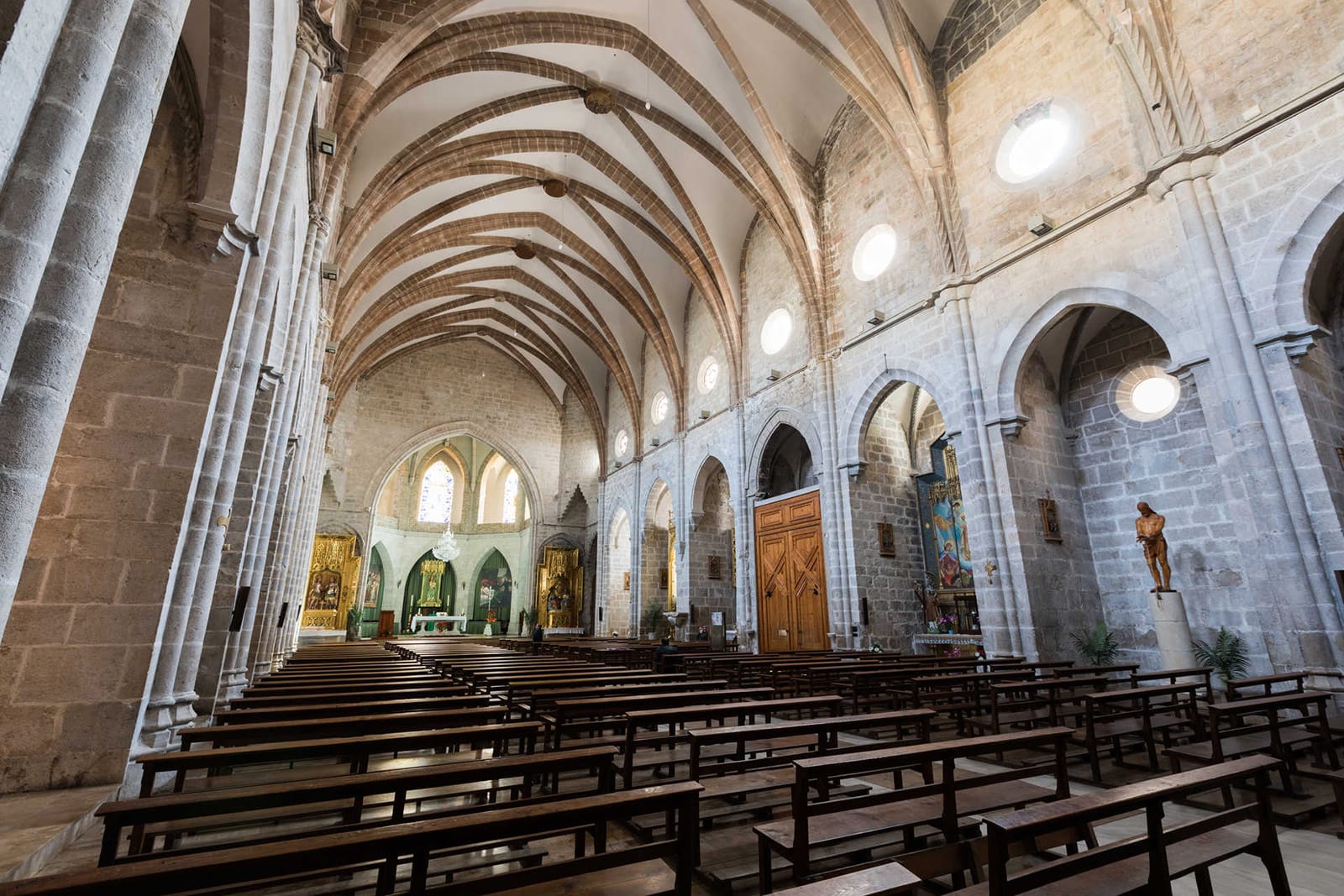
La Seu of Gandia is an imposing Valencian Gothic collegiate church built between the 14th and 16th centuries over a temple from 1245. In 1500, a bull issued by Pope Alexander VI elevated the parish to a collegiate church thanks to María Enríquez de Luna. It features a single nave with ribbed vaults, side chapels—notably that of Saint Francis Borgia, the city's patron saint—and two magnificent Gothic doorways: Santa María and the Apostles. Its bell tower, built by the monk Onofre Trotonda, dominates the old town. Declared a National Historic Monument in 1931, it presides over the main square alongside the Town Hall.
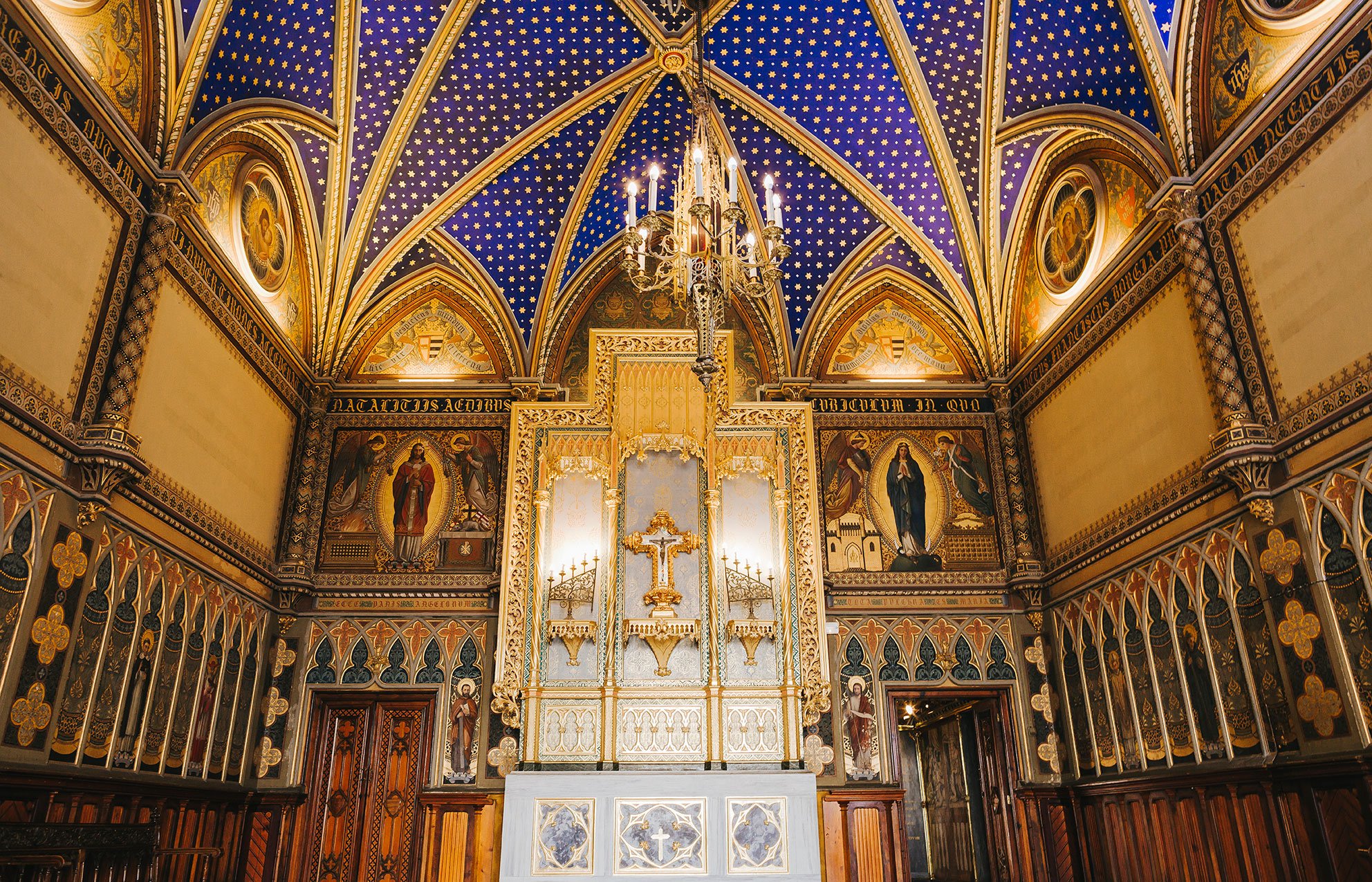
Residence of the royal dukes of the Crown of Aragon in the 14th century and, from 1485, the seat of the Borgia family—a dynasty linked to the palace until 1740. The tour visits the Hall of Crowns, the Saint's Oratory, and the spectacular Golden Gallery, built in the 18th century to commemorate the canonization of Saint Francis Borgia. Behind an austere Gothic façade lies an interior remodeled between the 15th and 19th centuries, featuring Gothic, Renaissance, Baroque, and Neoclassical layers. It is the main cultural attraction in Gandia. At the hotel, we offer a 20% discount to our guests to visit the Ducal Palace.
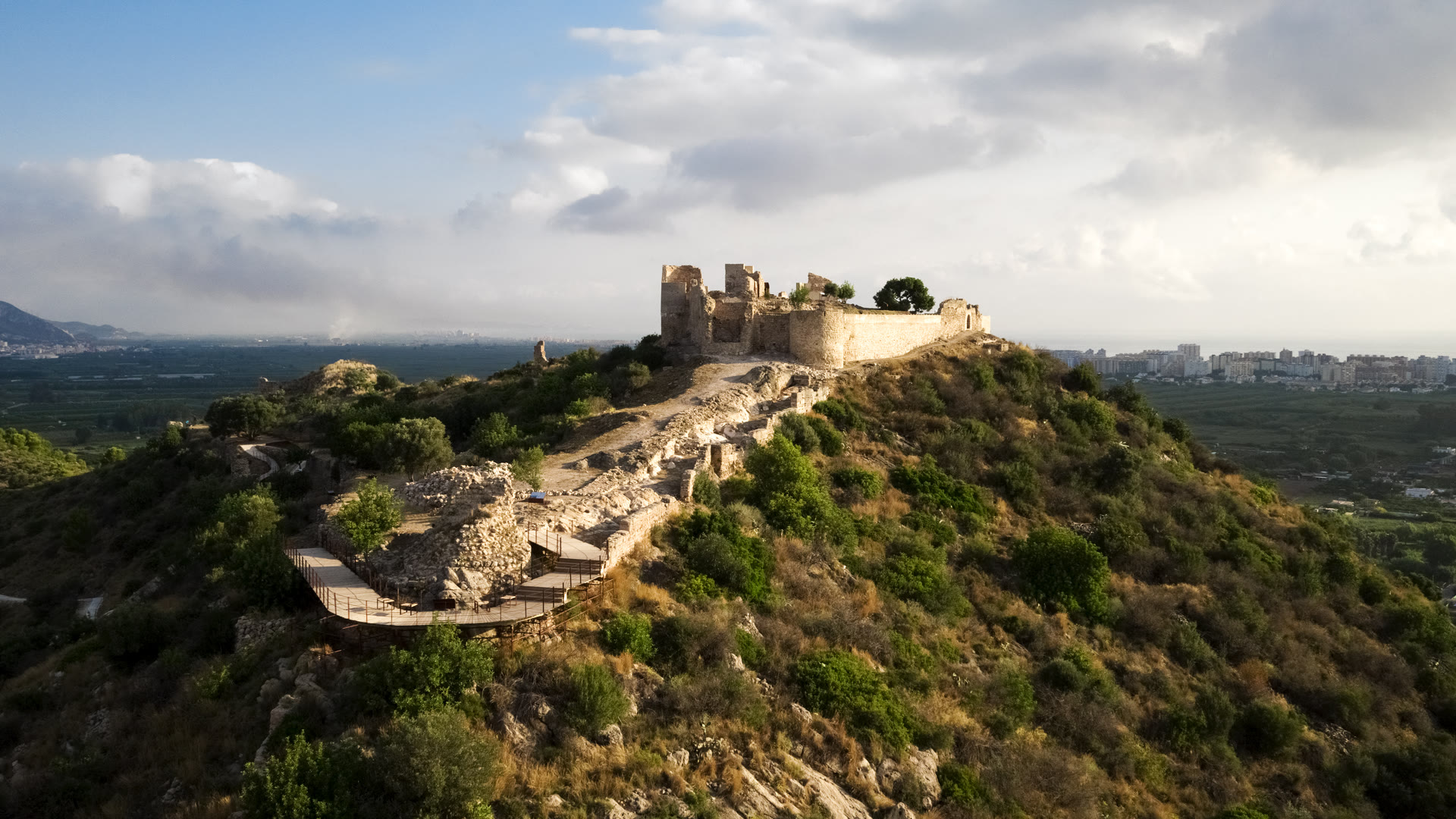
The Bairén Castle (or Bayrén), of Moorish origin, is located on a hill in Gandia where the ancient medina of Al-Bayren once stood. It was conquered by King James I and was the setting for a historic battle involving El Cid in 1097. Today, you can explore it through guided tours or scenic hiking trails.
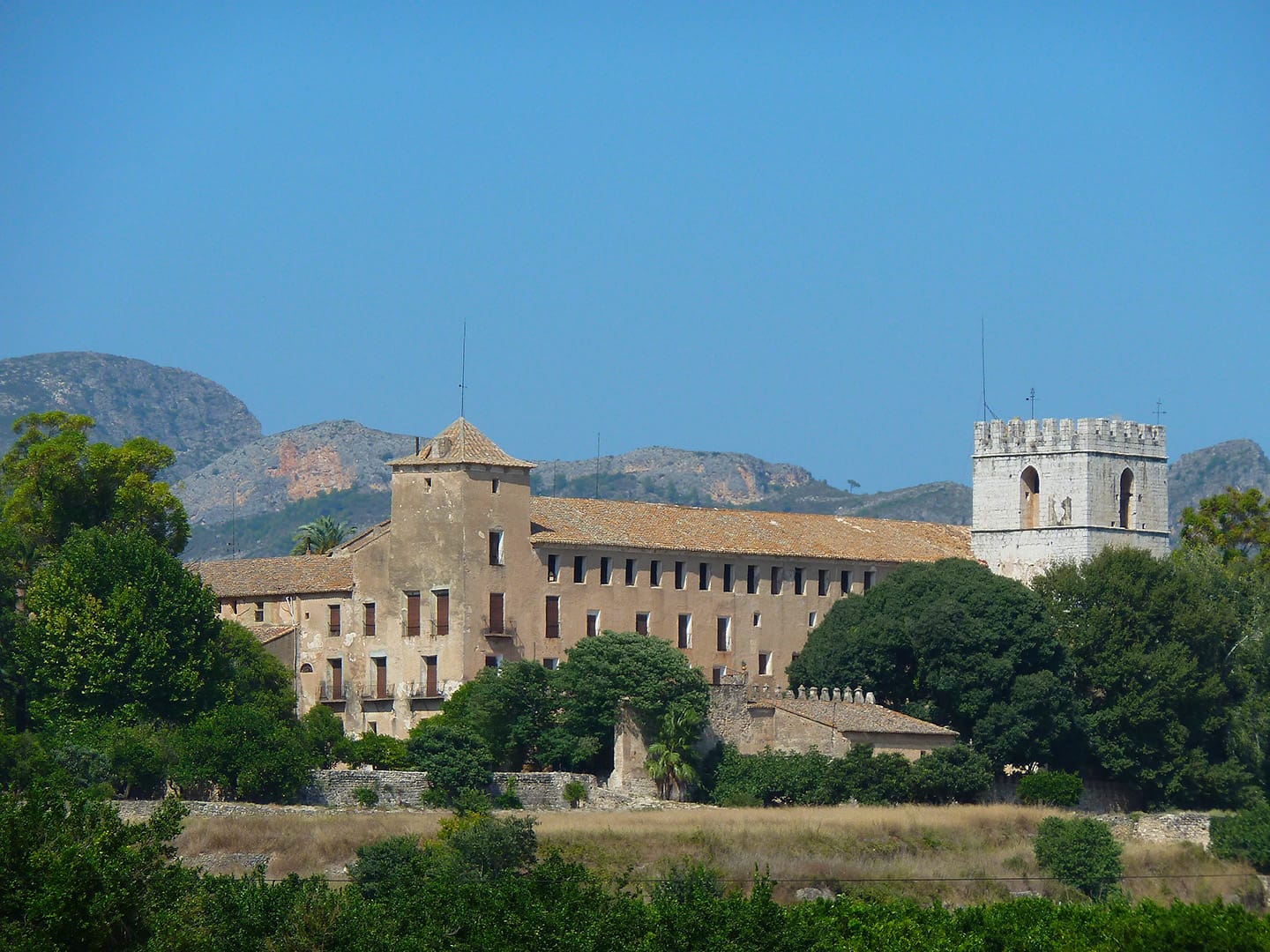
Founded in 1388 in Alfauir, 8 km from Gandia, it was promoted by Pere March—father of the poet Ausiàs March—and, from the 16th century, was protected by the Borgia family. It combines Gothic, Mudéjar, Baroque, and Neoclassical styles, and has been declared a Site of Cultural Interest (BIC) since 1994. The tour visits the Gothic aqueduct, the Mudéjar cloister, the chapter house, the refectory, and romantic gardens that are especially beautiful in spring.
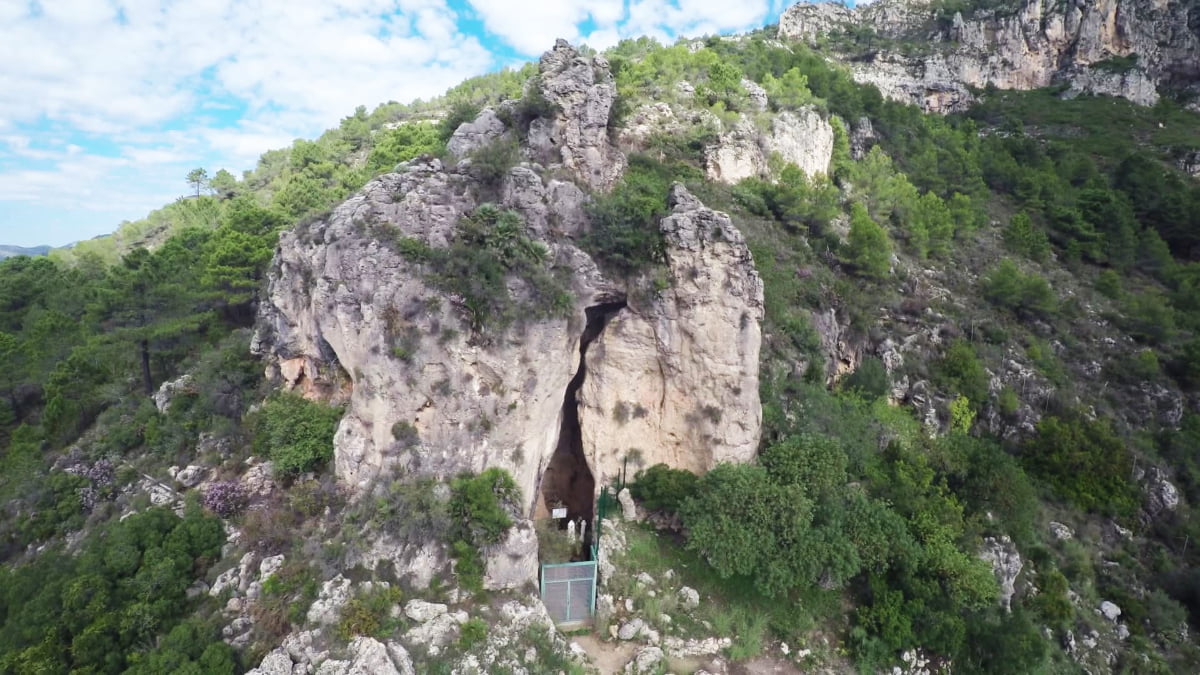
An Upper Paleolithic site with human occupation dating back over 20,000 years, it is world-famous for its more than 6,000 decorated limestone plaques, the largest known collection of Paleolithic portable art. The excavations by Lluís Pericot unearthed most of the collection. Declared a Site of Cultural Interest (BIC) and a candidate for UNESCO World Heritage status, the visit begins at the Parpalló-Borrell Interpretation Center.
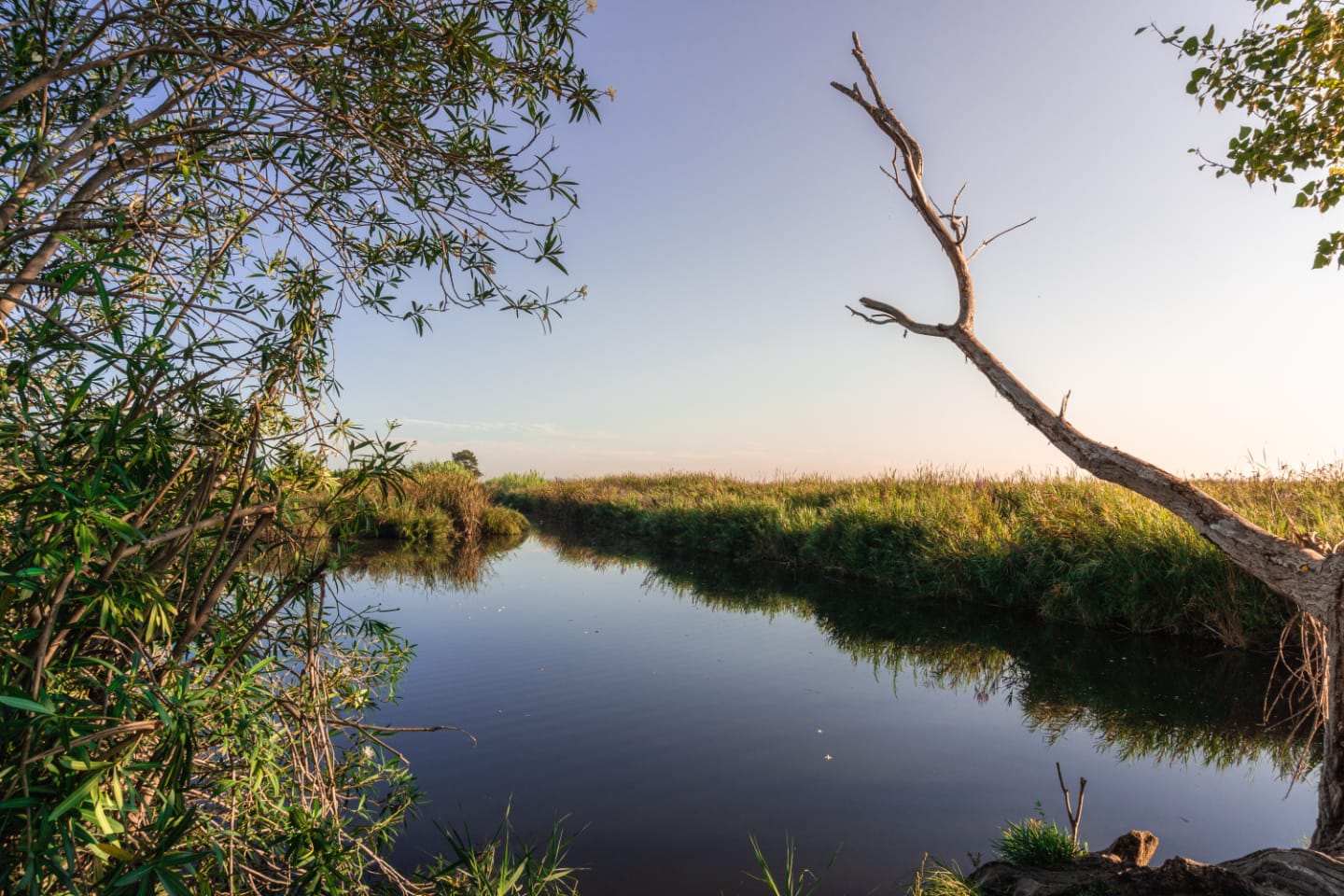
A wetland reserve protected by the Natura 2000 Network, featuring ponds, freshwater springs (ullals), and irrigation canals between Gandia, Xeresa, and Xeraco. It is presided over by the Alquería del Duc, an old coastal fortress and manor house of the Borgia family. It is home to waterbirds, eels, amphibians, and a blanket of water lilies, reeds, and rushes. It can be explored via accessible wooden boardwalks that lead to the l'Estany and la Perla springs.
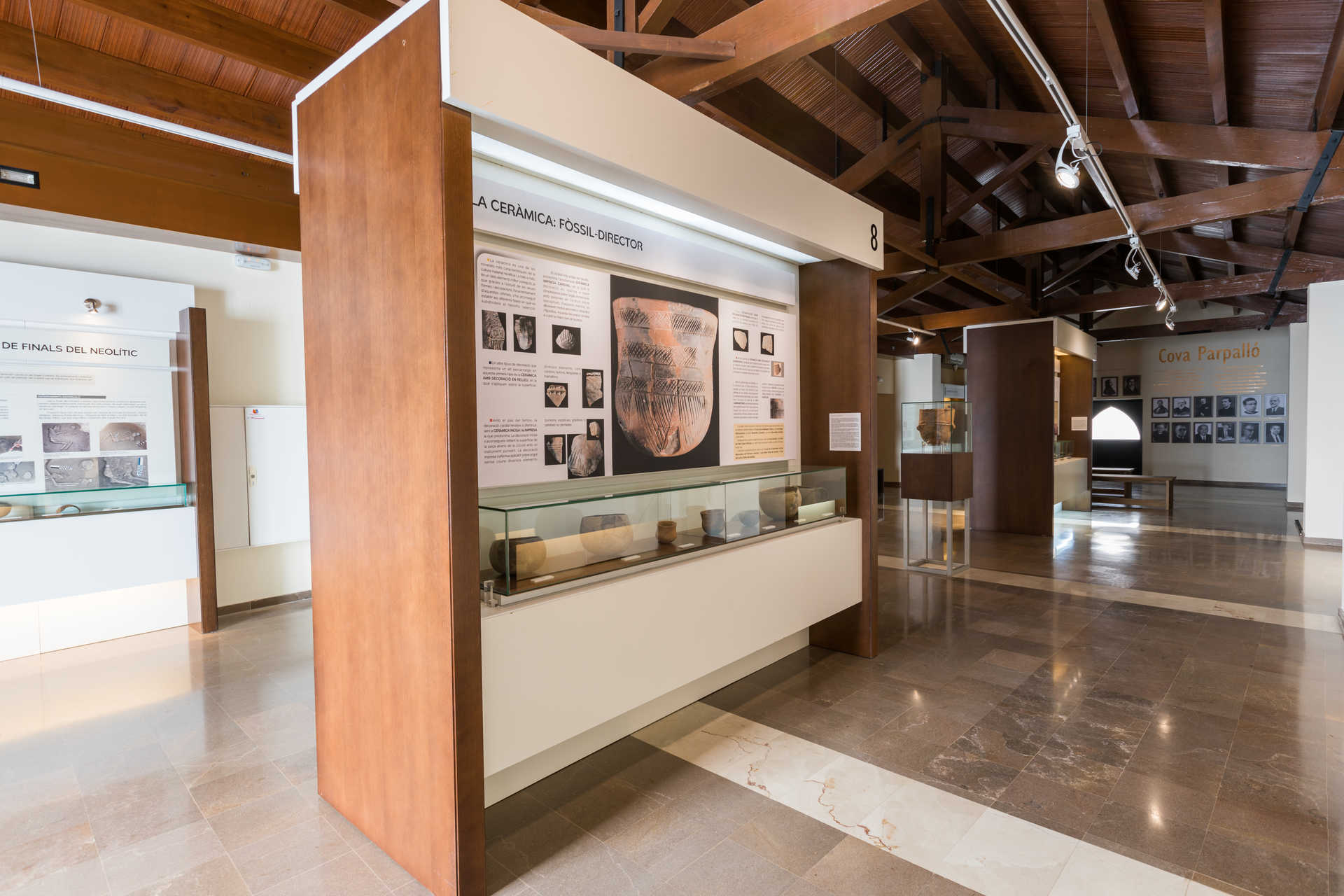
Housed in the historic complex of the Hospital de Sant Marc, it traces the prehistory of La Safor from the Paleolithic to the Metal Ages. It features pieces from key European sites such as Bolomor, Parpalló, and les Meravelles, including cave paintings, tools, flint, decorated pottery, and ornaments made of stone, bone, and shell.
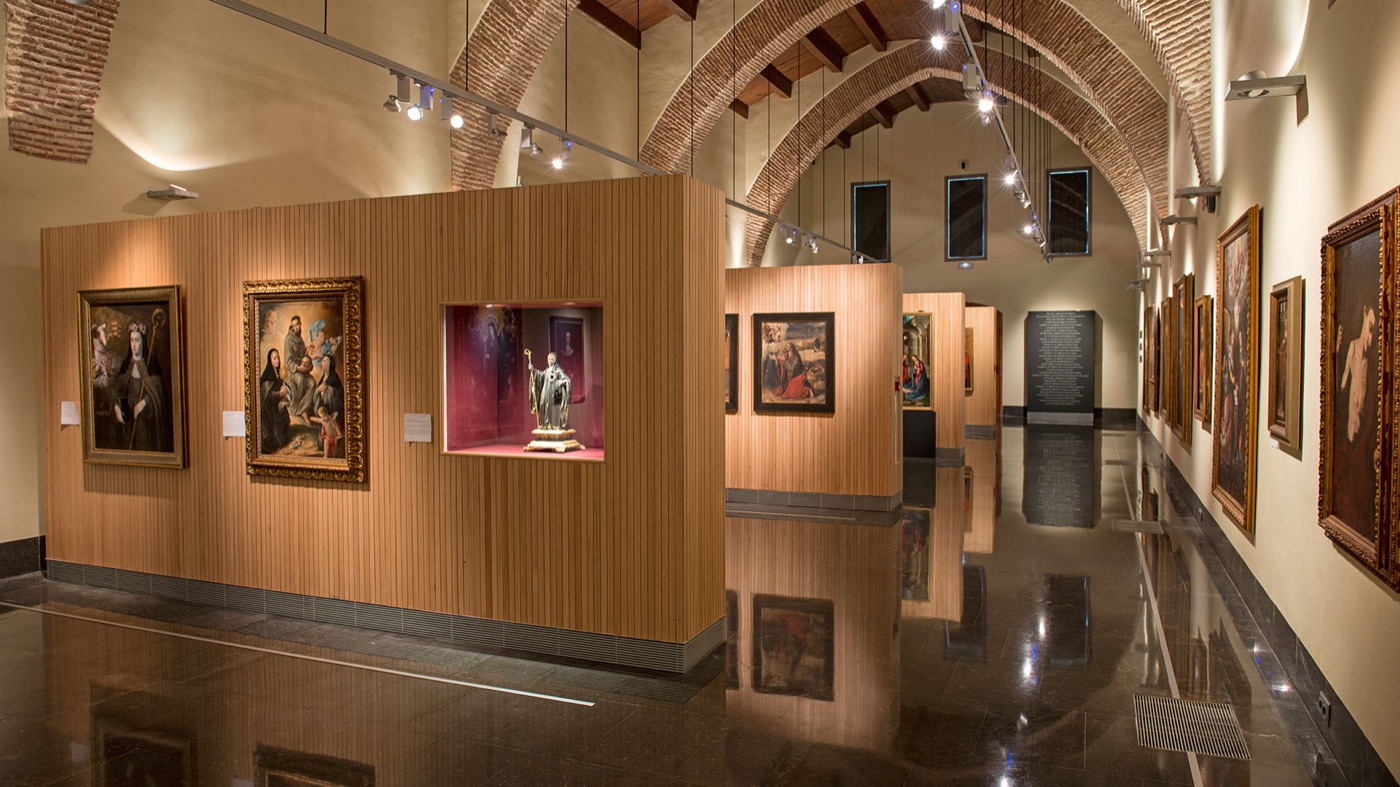
The convent, founded in 1431 by Violante of Aragon, houses one of the most important collections of religious art in the Valencian Community, the result of the legacy left by the Borgia ducal family to the Poor Clares. It features works by Paolo da San Leocadio, Nicolau Falcó, Joan de Joanes, and José de Ribera, as well as sculptures, reliquaries, and gold and silverware.
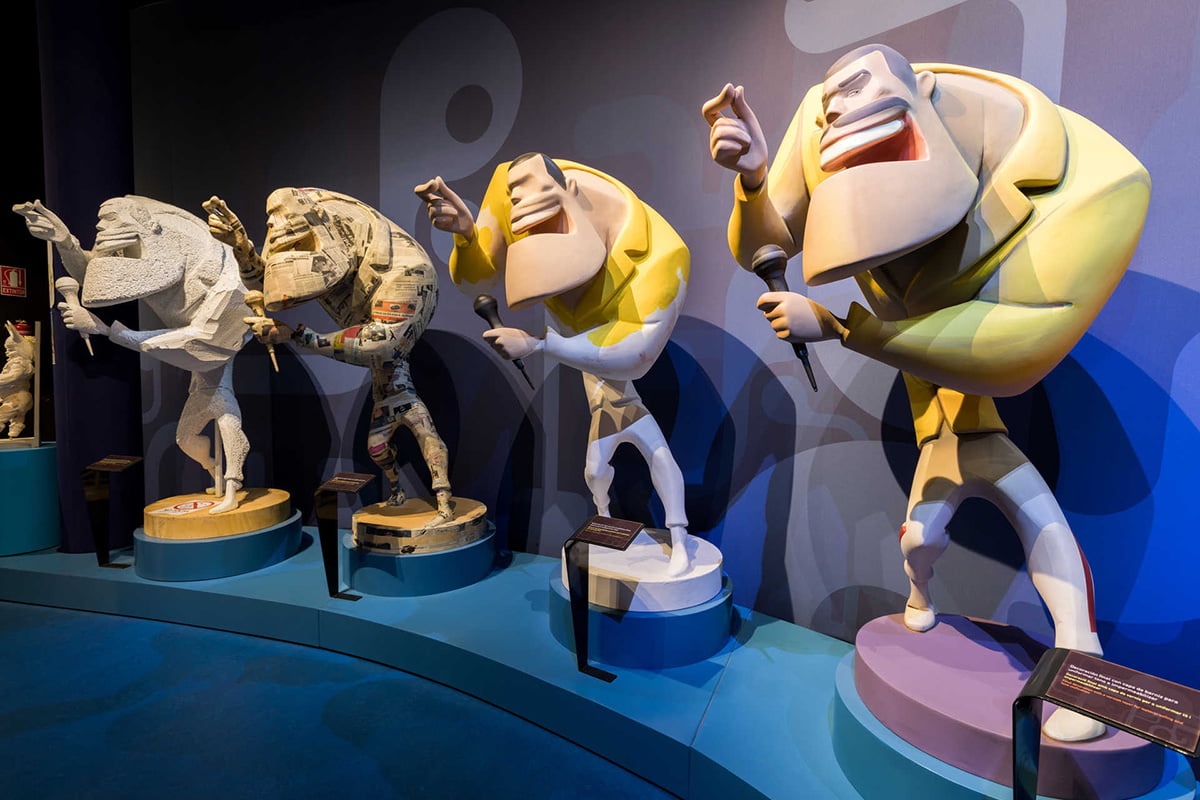
An interpretation center for the Fallas, a UNESCO Intangible Cultural Heritage, which showcases the festival through immersive scenes featuring ninots indultats (pardoned figures), festive instruments, traditional costumes, and the complete creation process of a monument up to the cremà (burning). Its multimedia applications allow you to virtually compose a mascletà or follow the work of a Fallas artist step by step.